Archives
- 2026-11
- 2026-10
- 2026-09
- 2026-08
- 2026-07
- 2026-06
- 2026-05
- 2026-04
- 2026-03
- 2026-02
- 2026-01
- 2025-12
- 2025-11
- 2025-10
- 2025-09
- 2025-03
- 2025-02
- 2025-01
- 2024-12
- 2024-11
- 2024-10
- 2024-09
- 2024-08
- 2024-07
- 2024-06
- 2024-05
- 2024-04
- 2024-03
- 2024-02
- 2024-01
- 2023-12
- 2023-11
- 2023-10
- 2023-09
- 2023-08
- 2023-07
- 2023-06
- 2023-05
- 2023-04
- 2023-03
- 2023-02
- 2023-01
- 2022-12
- 2022-11
- 2022-10
- 2022-09
- 2022-08
- 2022-07
- 2022-06
- 2022-05
- 2022-04
- 2022-03
- 2022-02
- 2022-01
The GSTP promoter region in PCA cells without
2022-08-05
The GSTP1 promoter region in PCA cells without or with reduced GSTP1 mRNA expression had a different histone modification pattern than BPH-1 cells with GSTP1 mRNA expression: the repressive histone modifications H3K9me3/H3K27me2 were distinctly increased and H3K27me3/H3K9me2 were slightly decreased
Mice lacking S nitrosoglutathione reductase GSNOR a denitros
2022-08-05
Mice lacking S-nitrosoglutathione reductase (GSNOR), a denitrosylase that regulates S-nitrosylation, have increased levels of S-nitrosoglutathione (GSNO) and exhibit nitrosative stress. GSNO is in equilibrium with protein S-nitrosylation in cells, and GSNOR controls the cellular concentration of pro
br Positive regulation of gene expression by Nrf
2022-08-05
Positive regulation of gene Tioconazole by Nrf2 Repression of Nrf2 by Keap1 Because many xenobiotic inducers of NQO1 and GST enzyme activities contain a thiol-reactive electrophilic moiety (i.e. are soft electrophiles), Paul Talalay and colleagues predicted in 1988 that they would be recognize
br GSK Glycogen synthase kinase GSK is a ubiquitous
2022-08-05
GSK-3 Glycogen synthase kinase-3 (GSK-3) is a ubiquitous serine/threonine kinase that is involved in multiple signaling pathways that are crucial for cellular metabolism and proliferation (Doble and Woodgett, 2003, Frame and Cohen, 2001, Grimes and Jope, 2001, Woodgett, 1990). GSK-3 is known to d
br Mechanism of action of herbs and their active
2022-08-05
Mechanism of action of herbs and their active constituents used in hair loss treatment The hair growth cycle consists of 4 stages known as the anagen (active growth phase; takes 2–7years), catagen (involuting or regressing phase; takes approx. 2weeks), telogen (short resting phase; takes approx.
Recently we suggested that KYNA
2022-08-05
Recently, we suggested that KYNA – an endogenous GPR35 agonist could be produced in a human cornea since we showed the presence of the enzymes that catalyze the synthesis of KYNA – kynurenine aminotransferases I-III in corneal epithelium, stroma and endothelium (). Therefore, these findings provided
With the administration of OM fatty acids it has
2022-08-05
With the administration of OM3 fatty acids, it has previously been shown that the activation of GPR120 is linked to the secretion and circulating levels of the adipokine adiponectin [123] promoting anti-inflammation (downregulation of NF-κB) and insulin sensitivity [124]. Interestingly, Nrf2 also de
GSK2636771 mg In three independent groups identified GPR A H
2022-08-05
In 2003, three independent groups identified GPR109A (HM74A) and GPR109B (HM74), two GPCRs, as the receptors for niacin., , GPR109A, which is present in all species, is a high affinity receptor for niacin., GPR109B, which is only present in human and chimpanzee, is a low affinity receptor for niac
Based on work from our
2022-08-05
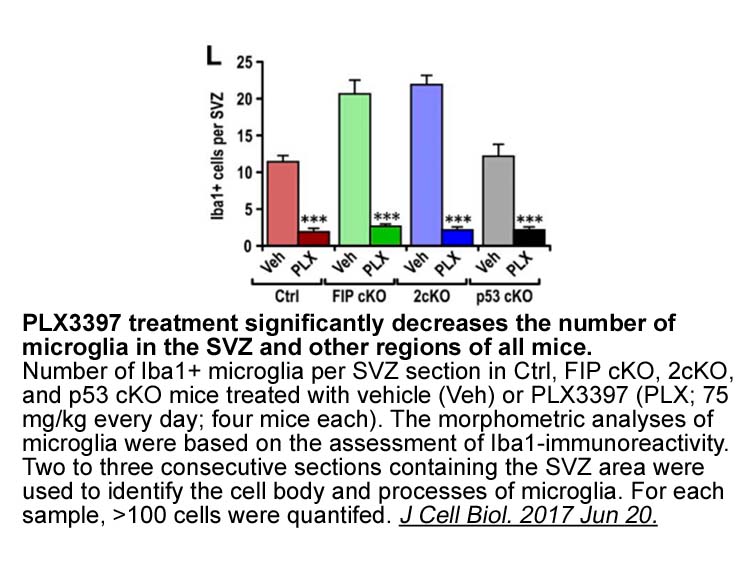
Based on work from our labs with mGlu NAMs, and the ability of [3.3.0] systems, such as the octahydropyrrolo[3,4-]pyrrole, to effectively mimic piperazines, we focused our attention on the potential bioisoteric replacement of the [3.1.0] system of and , as well as the piperidine of , with a [3.3.0]
In this study we present the synthesis and structure activit
2022-08-05
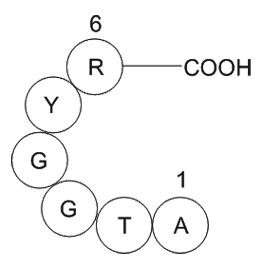
In this study, we present the synthesis and structure–activity studies of a structurally distinct series possessing high potency and selectivity in HEK cell lines together with a potentially promising overall biopharmacological profile. Focusing on creating sufficient structural dissimilarity with g
The bioconversion of inositol from glucose was anticipated
2022-08-05
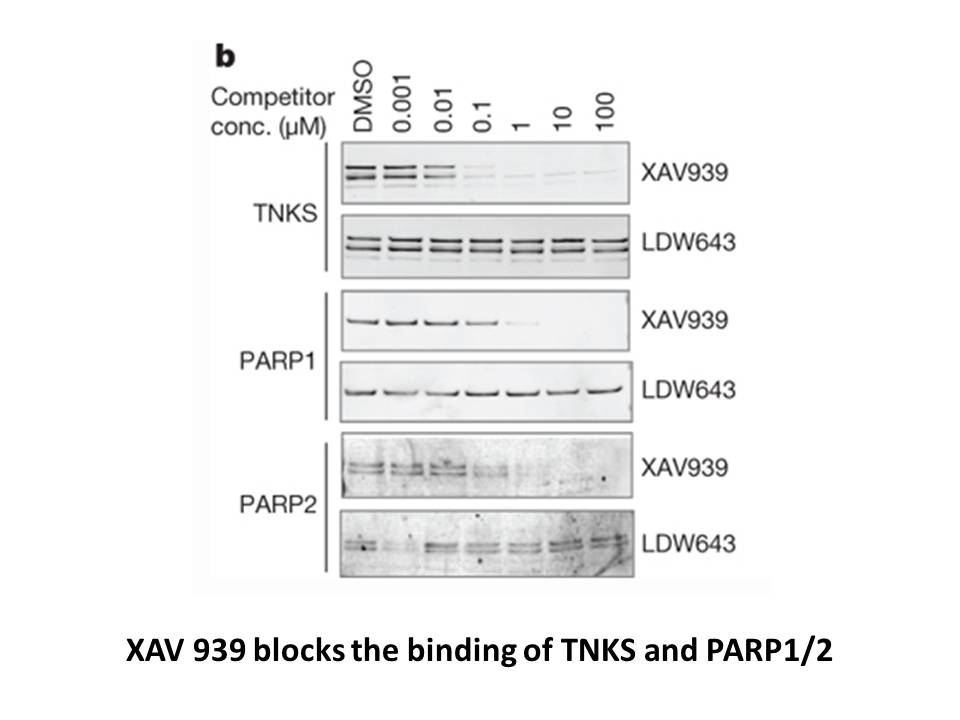
The bioconversion of inositol from glucose was anticipated nearly a century ago and later confirmed by isotope tracing methods [[22], [23]]. This biosynthesis of inositol involves three sequentially acting enzymes: Firstly, ATP-dependent glucokinase converts glucose to glucose-6-phosphate (G-6P) [[2
br Materials and methods br Results
2022-08-05
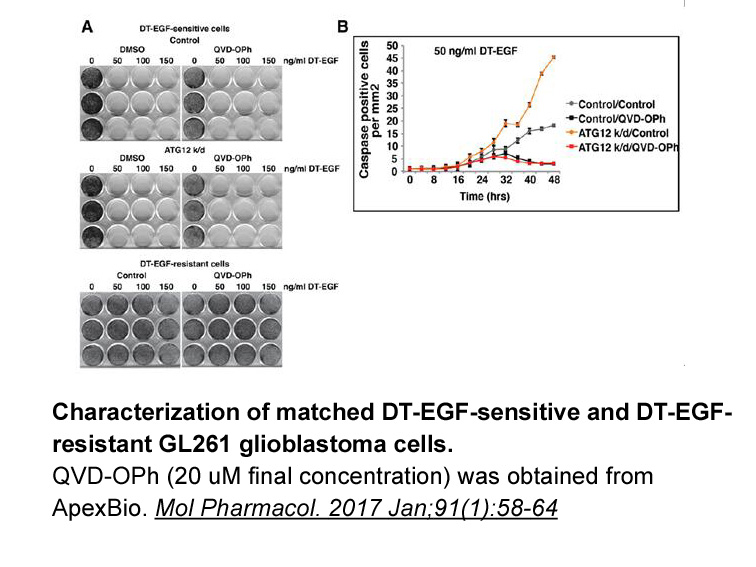
Materials and methods Results Discussion Common to catfish fry production, high stocking densities as well as intensive handling during transport can result in low dissolved oxygen levels (Abdalla and Romaire, 1996; Torrans et al., 2003), which can result in fish stress. It is not known at
br Results br Discussion The inflammasome consists of the se
2022-08-04

Results Discussion The inflammasome consists of the sensor molecule nucleotide oligomerization domain (NOD)-like receptors (NLRs), the adaptor protein ASC, and the px express molecule CASP1 (Guo et al., 2015). Among the different types of inflammasome, the NLRP3 inflammasome requires a priming
The overall very satisfactory potency profile of compounds
2022-08-04
The overall very satisfactory potency profile of compounds 7a–l suggests that 1,3,4-thiadiazole-2-carboxamide moiety was a suitable periphery group to add to the 3-phenylpropanoic Disodium (R)-2-Hydroxyglutarate synthesis core in order to improve affinity to FFA1. The agonist activity in this series
Reports described a range of synthetic
2022-08-04
Reports described a range of synthetic GPR40 agonists with desirable safety and efficacy profiles, compared with existing antidiabetic therapies such as insulin and sulfonylureas [[20], [21], [22], [23], [24], [25], [26], [27], [28]]. Among them, several small molecules were tested in the clinical t
8132 records 417/543 page Previous Next First page 上5页 416417418419420 下5页 Last page